The PDF program is not optimized for mobile view. The virtual program below provides supplemental information to the program booklet.
The Instruments
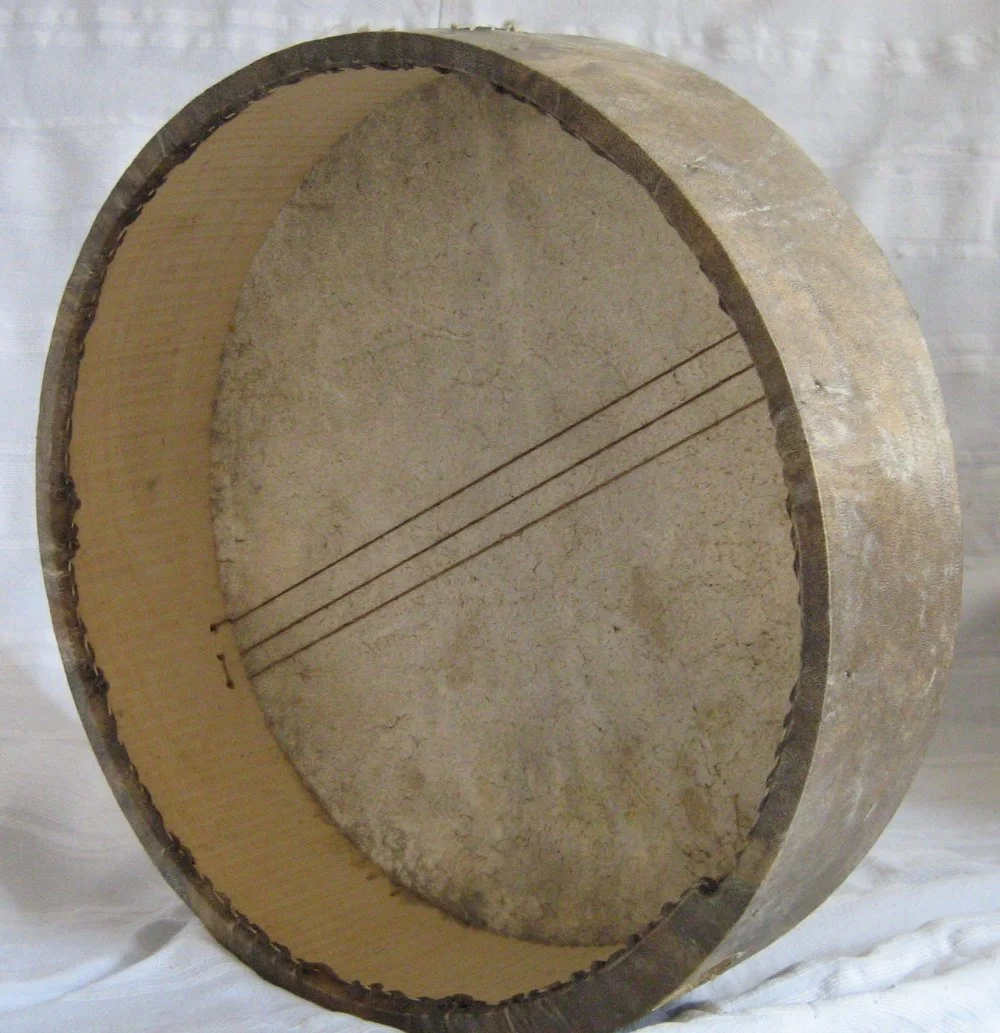
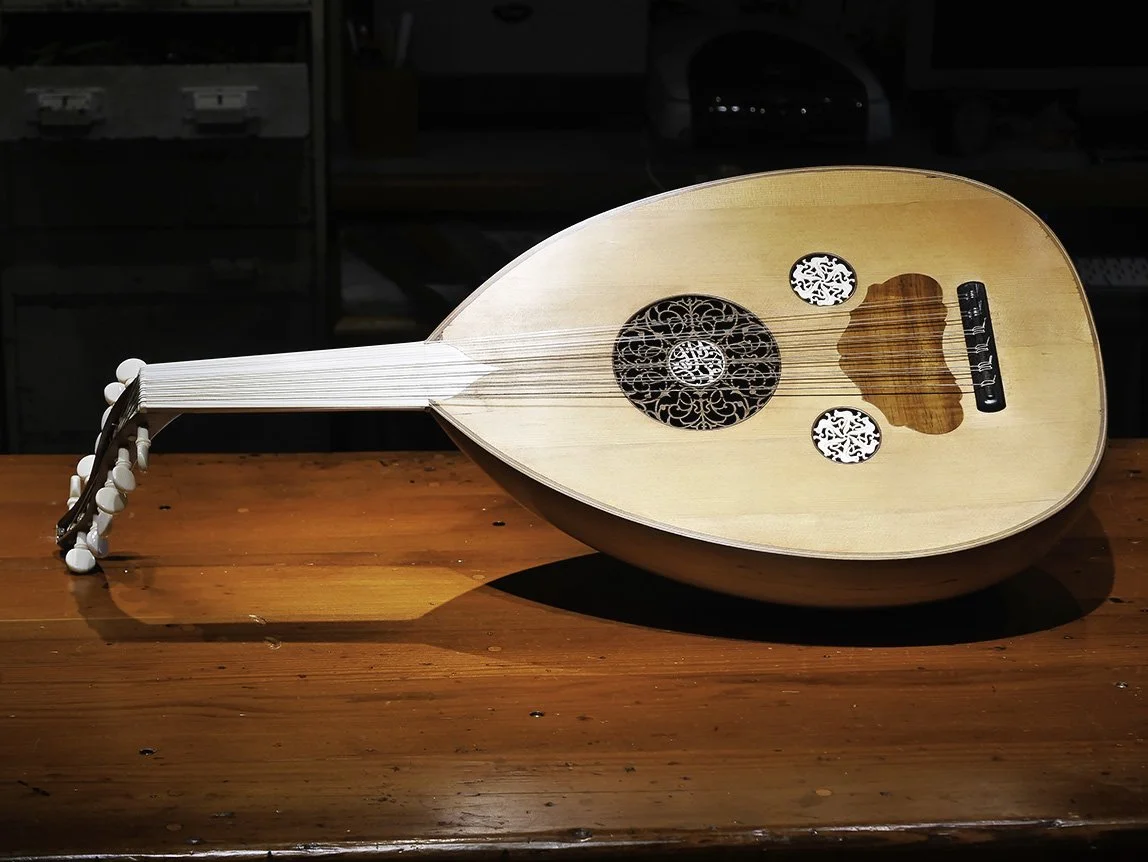
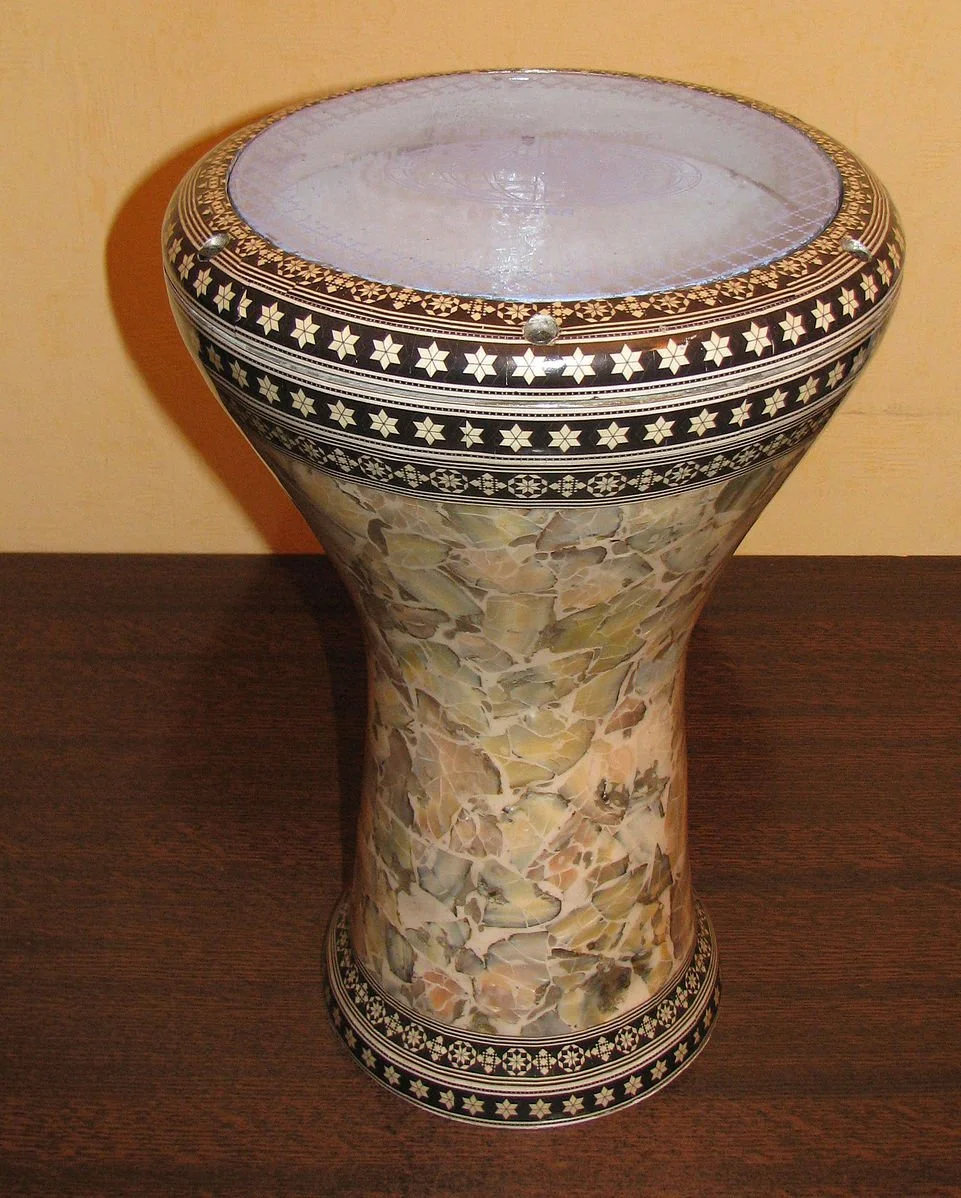
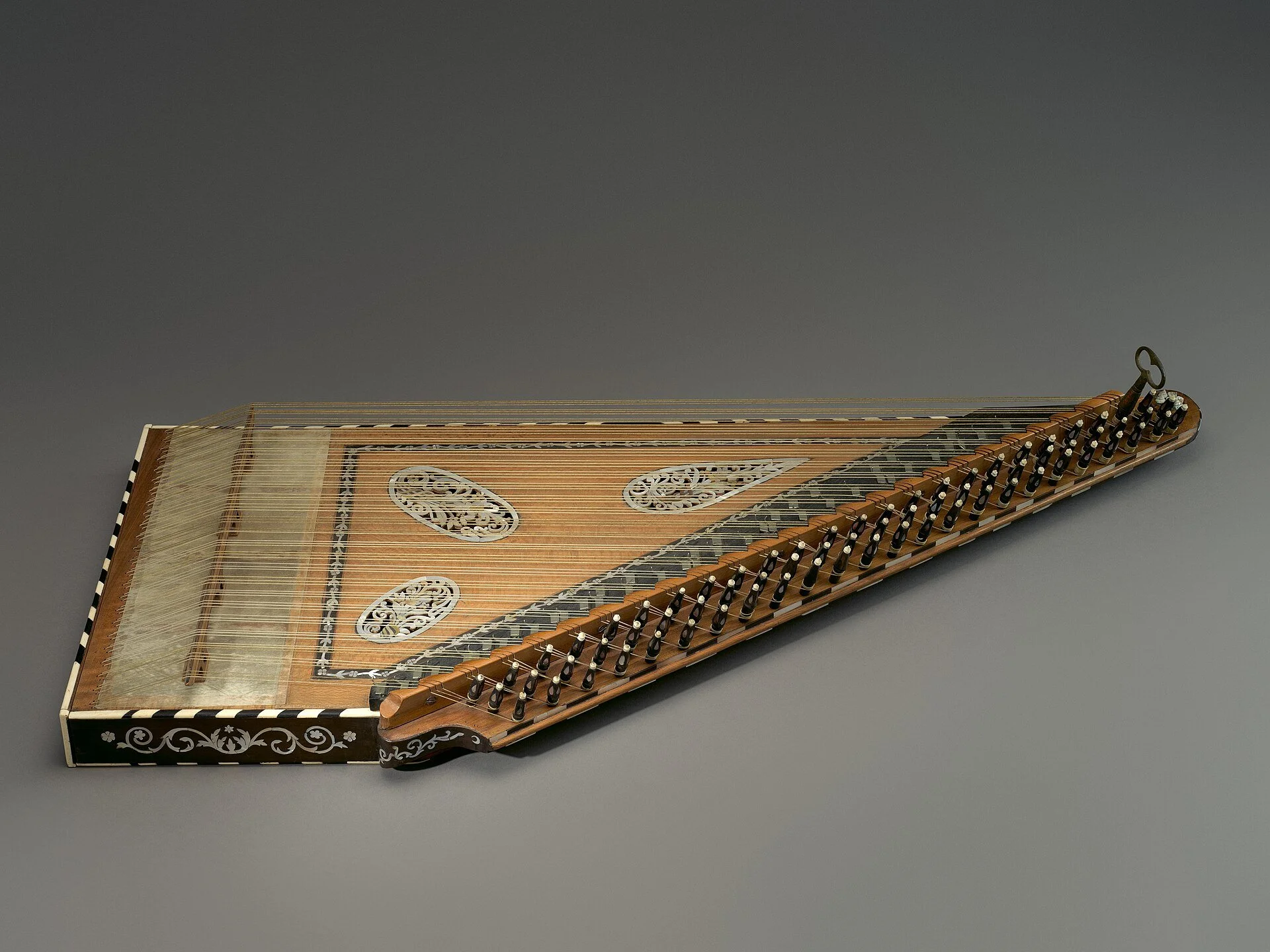
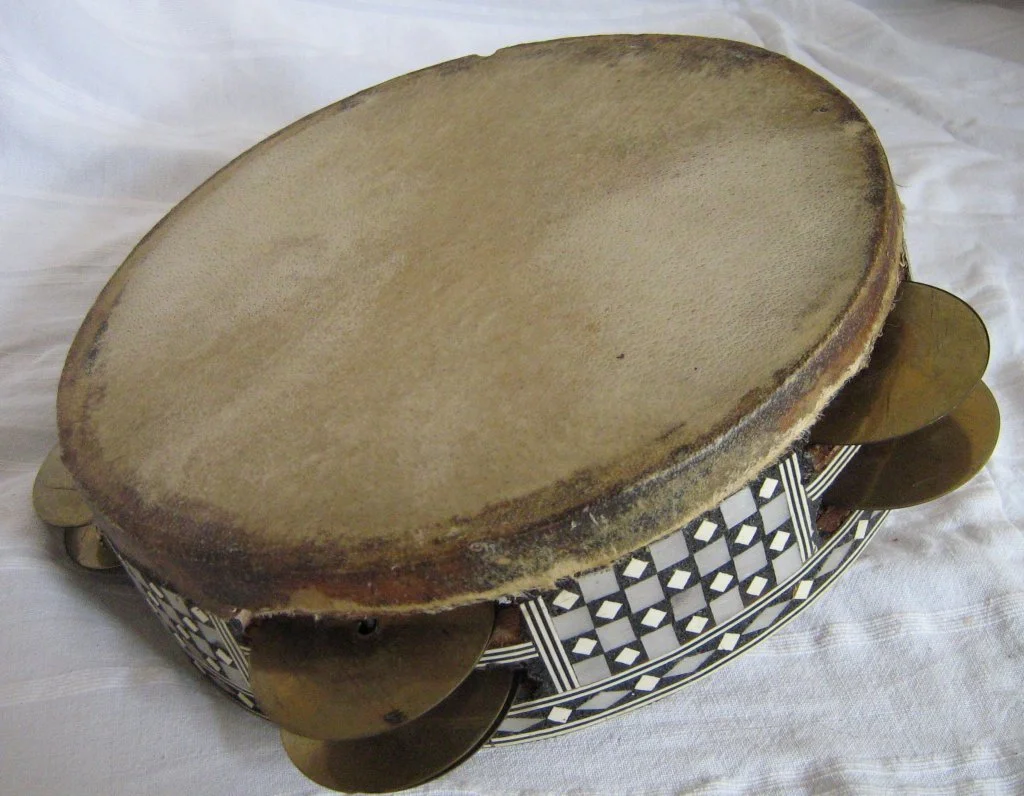
The instruments of the Middle East are numerous, but this program will feature:
The Qanun (meaning “the law/rule” from the Greek) — A multi-stringed (typically 78–81) zither, which forms the backbone of the ensemble, and is known as the “Queen of Turkish music.” It is trapezoidal in shape, and each whole note can be divided into various microtones (from 4–12) with the shift of a tiny lever.
The Oud (“wood” in Arabic) — The ancestor of the European lute, this short-neck pear-shaped, fretless 11-stringed instrument is plucked with a plectrum (originally an eagle feather).
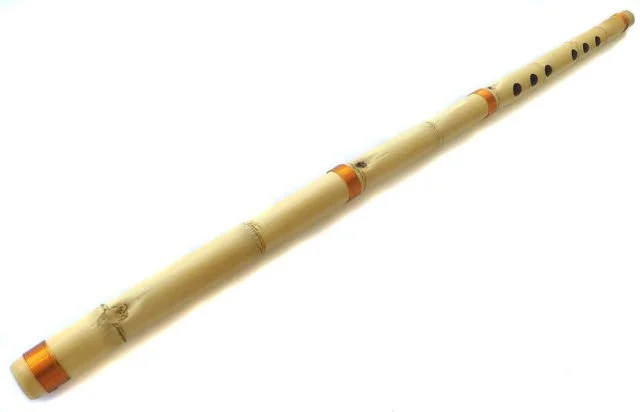
The Ney (“reed” in Farsi) — Possibly the oldest melodic instrument on earth, this instrument is made out of reed (Arundo donax or “pike” reed) which grows in the wetlands and along riverbanks. It is the instrument most beloved of the Mevlevi Sufis, and is referred to as a metaphor for the human soul by Rumi in his great poem the Mesnevi.
The Daf and Riqq — Traditional round wooden frame-drums, often with zills or jingles, constructed with a thin, translucent head made of fish, goat-skin or, more recently, a synthetic material. The sound is produced by hitting the membrane with one hand while the other hand, which also holds the daf, strikes the edges. The Darbukka — A single-head drum with a goblet-shaped body. It is most commonly used in the traditional music of North Africa and the Middle East, and similar drums have been used for thousands of years, as early as 1100 BC in Sumer and Babylonia.
The Zarb/Tombek — An Iranian goblet drum. It is considered the principal percussion instrument of Persian music, and a tombek solo in classical Persian music can last 10 minutes. A sheepskin or goatskin head is stretched and secured with glue, tacks or both. The fairly wide top opening permits full bass tone as well as various treble tones.
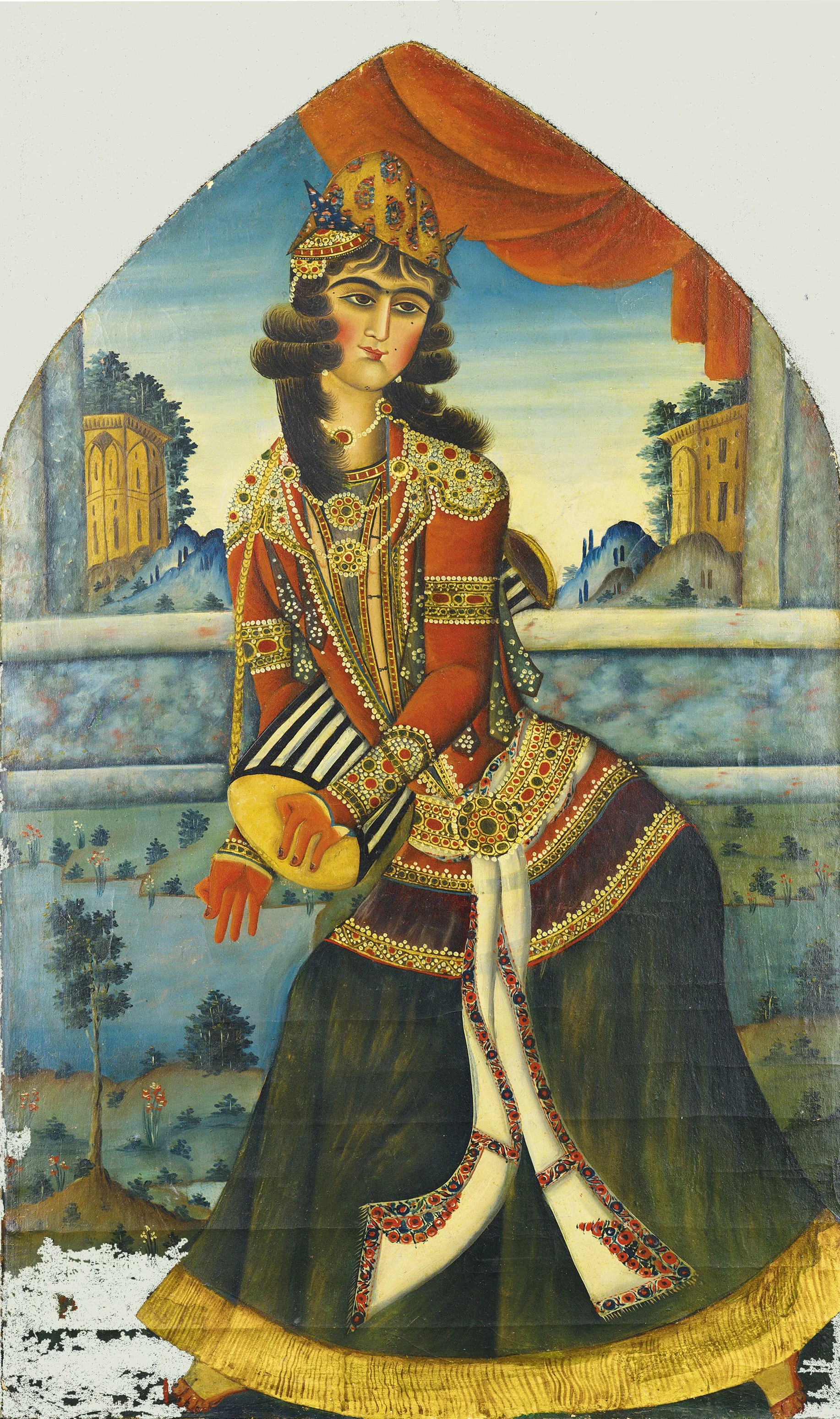
Woman with Zarb drum, Qajar Iran,19th century (wikimedia commons)

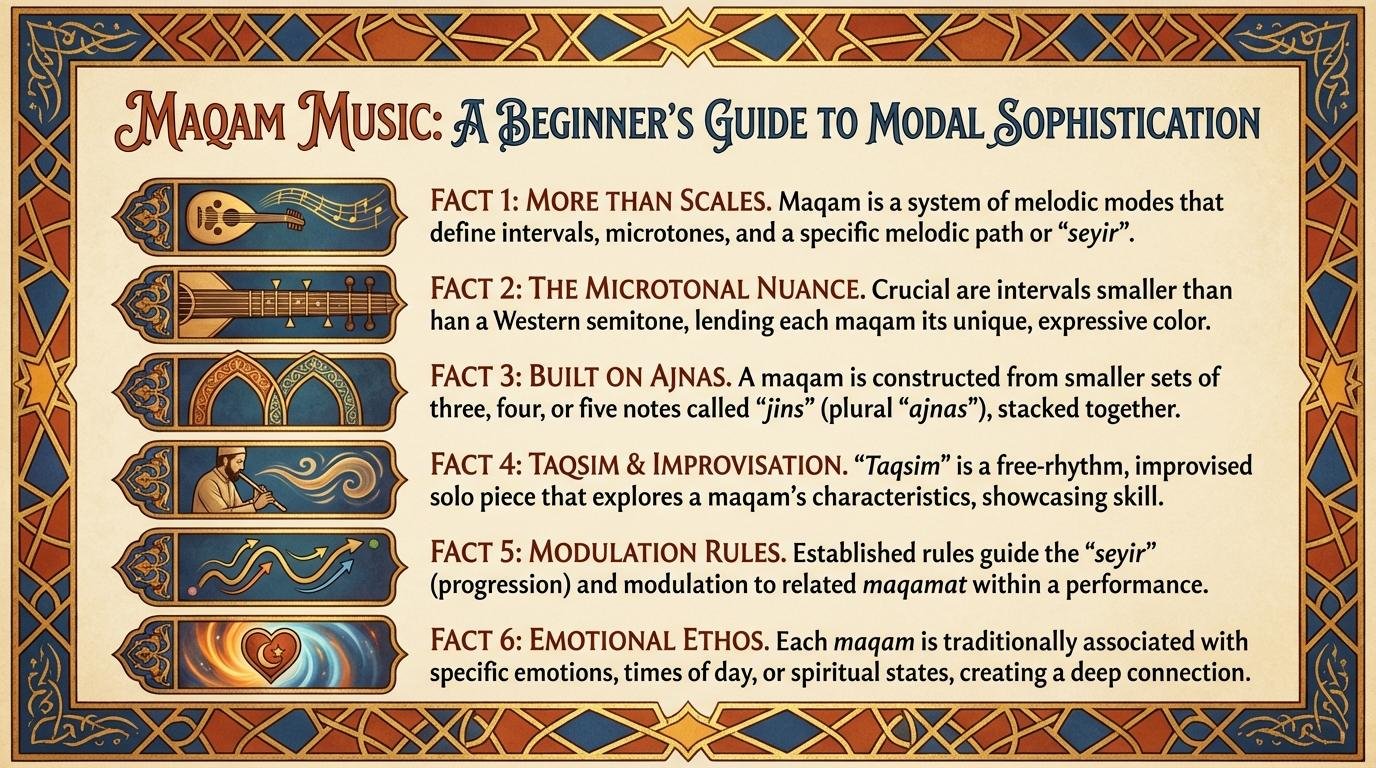
A maqam is a complete melodic framework specifying which notes to use, how to move through them, where to linger, and what emotional character to project – far more than a scale.
A maqam (Arabic: مقام, plural: maqamat) is a melodic mode that defines not just which notes you play, but how you move through them, where you linger, how you ornament, and what emotions you evoke. The word literally means “place” or “position” in Arabic. Think of it like this: a Western C major scale gives you seven notes and says “go nuts.” A maqam gives you those notes (plus some pitches that don’t exist on a piano) and then tells you a story about how to use them. Which note do you start on? Which note do you emphasize? Do you ascend differently than you descend? The maqam has opinions about all of this.
Maqam مقام
The following excerpt and image comes from an extensive blog post introducing the concept of maqam by ethnicmusical.com (link)