The PDF program is not optimized for mobile view. The virtual program below provides supplemental information to the program booklet.
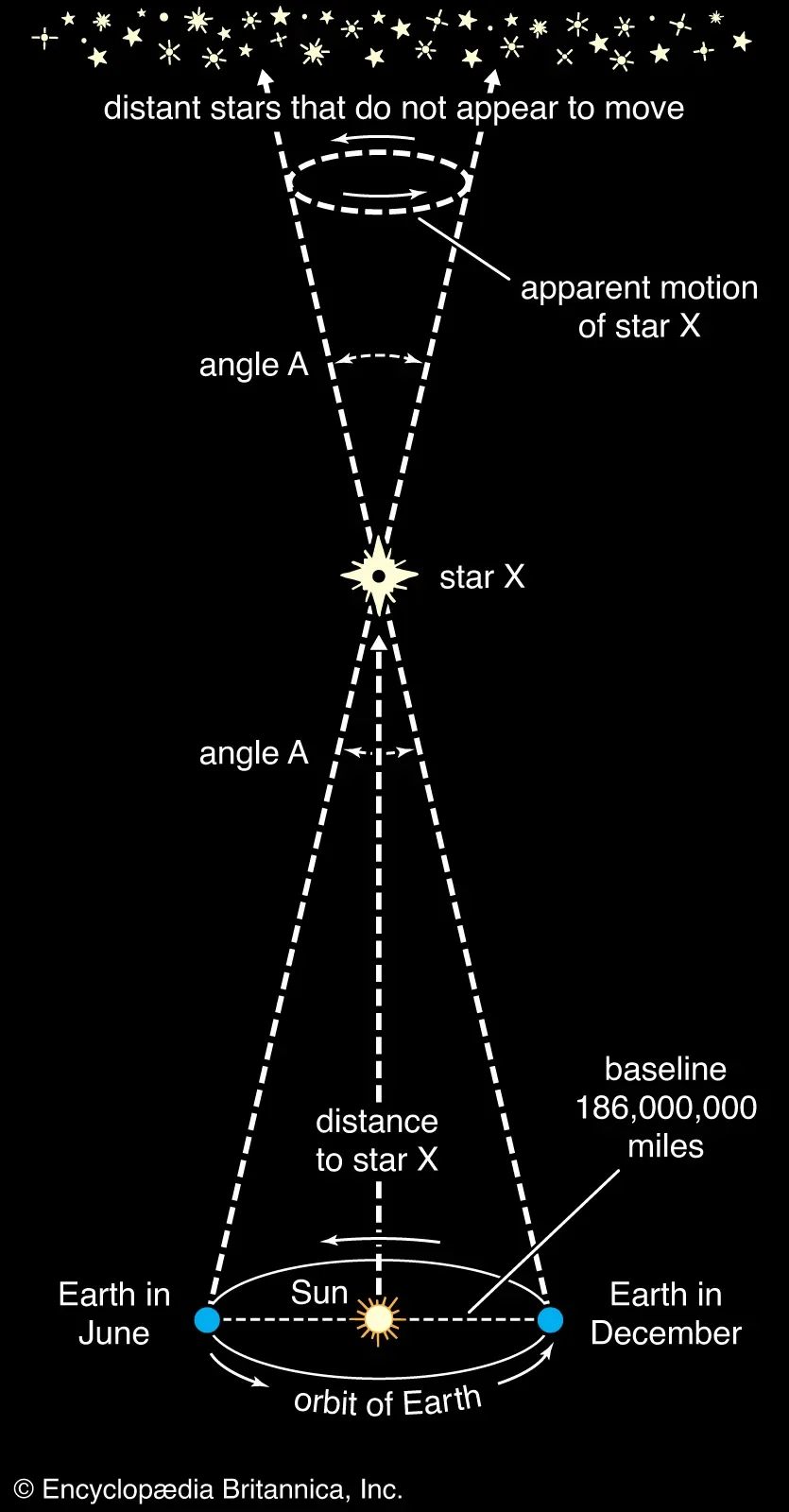
parallax noun
par· al· lax ˈper-ə-ˌlaks ˈpa-rə-laks
: the apparent displacement or the difference in apparent direction of an object as seen from two different points not on a straight line with the object. (merriam-webster)
This term, familiar in fields like optics, astronomy, computer programming, etc, offers insight into Parallax Concerts' artistic approach: Exploring musical perspective though the vantage points of historical music practices and contemporary music making.
From Parallax Concerts website:
What could the expressions of another time reveal about our expressions today?
Parallax Concerts seeks to capture new perspectives of music and society through performances of works composed centuries apart. Music allows the sounds of history to reach ears of the living — and, vice versa, allows living artists to channel new creativity from traditions of the past.
Each performance features two contrasting elements: ancient music delivered with historical instruments juxtaposed by contemporary works and modern premieres. True to living traditions, our performances are set in unique and intimate artists’ spaces where creation and community thrive.
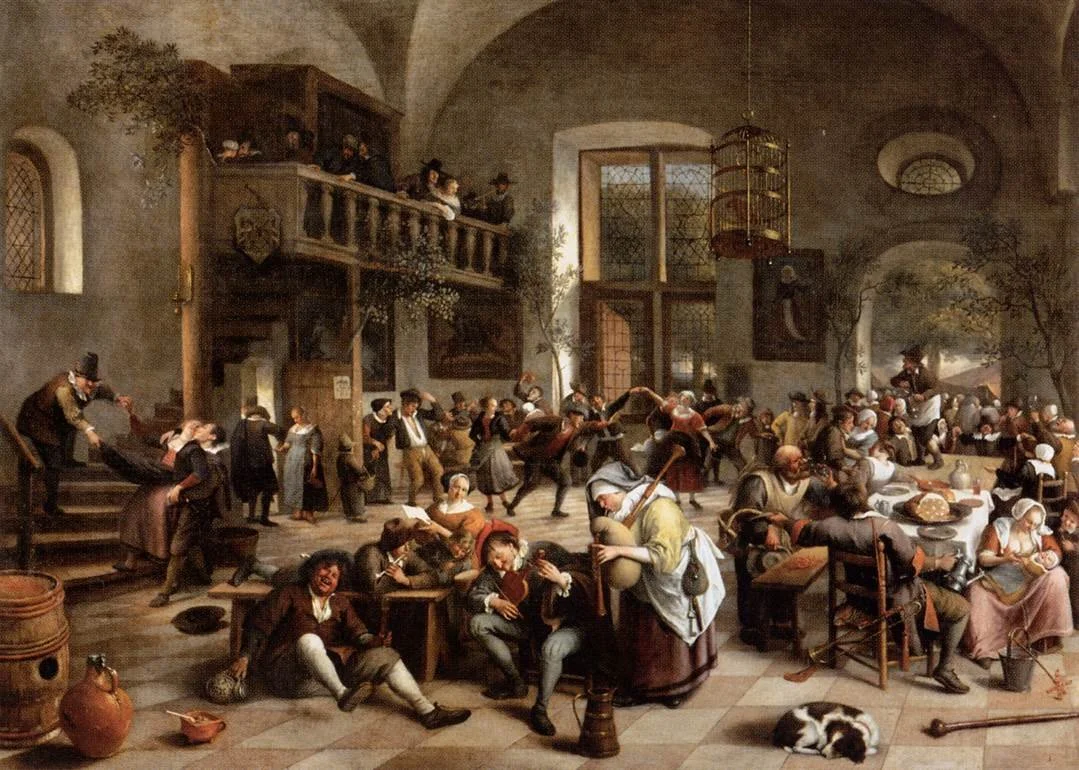
Biber’s cacophony
“hic dissonant ubique, nam enim sic diversis cantilenis clamore solent”
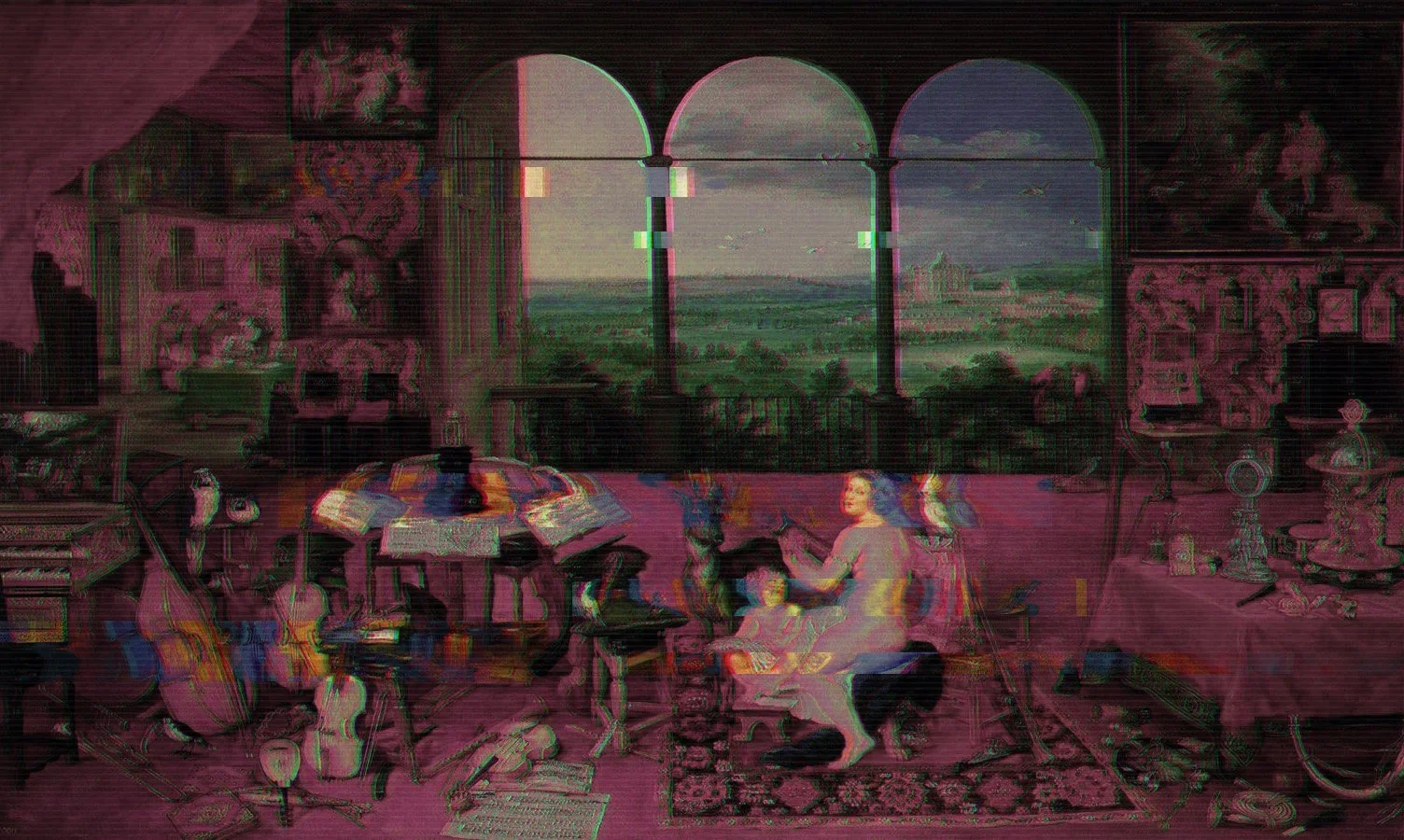
The second movement of Heinrich Biber’s Battalia a 10 — “Die liederliche Gesellschaft von allerley Humor” (The Profligate Society of Common Humor) depicts a cacophonous pub scene using folk song melodies in different keys in different keys and time signatures.
One of the melodies, a popular folk song, "Cabbage and turnips have driven me away" (Kraut und Rüben haben mich vertrieben), might be familiar as it was also used by Johann Sebastian Bach for the 30th & final variation (Quodlibet) of the Goldberg Variations.
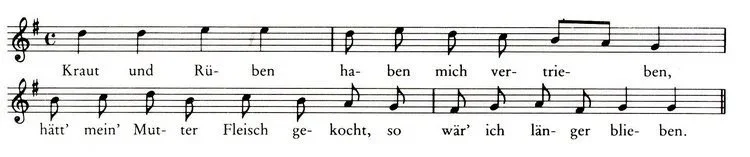
Kraut und Rüben haben mich vertrieben
Hätt' meine Mutter Fleisch gekocht
Wär' ich länger g'blieben./blieben.
Cabbage and beets have driven me away.
If my mother had cooked meat,
I would have remained longer.
Biber provides an explanatory Latin footnote in his score: “hic dissonant ubique, nam enim sic diversis cantilenis clamore solent” or "here it is dissonant everywhere, for thus are the drunks accustomed to bellow with different songs."
20th Century sounds from the 17/18th Century?
This program features works using musical devices that we often associate with music from 20th century avant-garde composers and some composers working today. Here are a few of the devices you’ll hear on the program and some of the associations we make with more recent composers:

Tone Clusters
Rebel’s Le Cahos opens with a chord featuring all the notes of a D harmonic minor scale played simultaneously, evoking the explosive chaos at the moment of creation. Many composers since this early example have used tone clusters—simultaneous playing of adjacent notes—in powerfully expressive ways. One example is in the Music of Hungarian Composer György Ligeti (1923–2006) whose tone cluster works (Atmosphères, Lontano, Lux Aeterna) found a wider audience through the films of Stanley Kubrick films 2001: A Space Odyssey and The Shining.
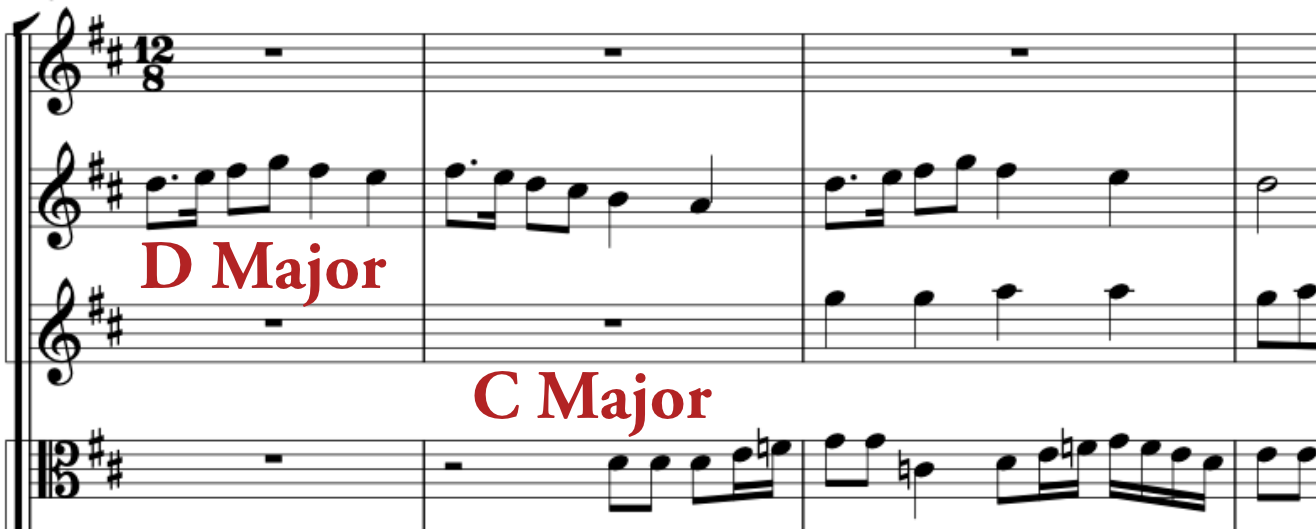
Polytonality
Polytonality is the simultaneous use of two or more keys or chords. Polytonality was notably used by American composer Charles Ives (1874–1954) who was inspired by formative musical experiences of hearing separate marching bands performing simultaneously. In Biber’s Battalia a 10, cited above, we hear folk songs in different keys (as well as time signatures), evoking the cacophony of a musical bar scene.
Playing Techniques
Beyond the widely-accepted and standard playing techniques of most instruments, there are often rarer techniques which fall outside of what is considered standard. In Biber’s work you will hear a “snap pizzicato” also known as the “Bartók pizz” after the Hungarian composer Béla Bartók (1881–1945) who used it frequently in his string writing. A standard pizzicato is familiar when a bowed string instrument like the violin plucks their string instead of bowing. The snap pizz is much more percussive—the musician snaps the string against the fingerboard for a more aggressive sound.
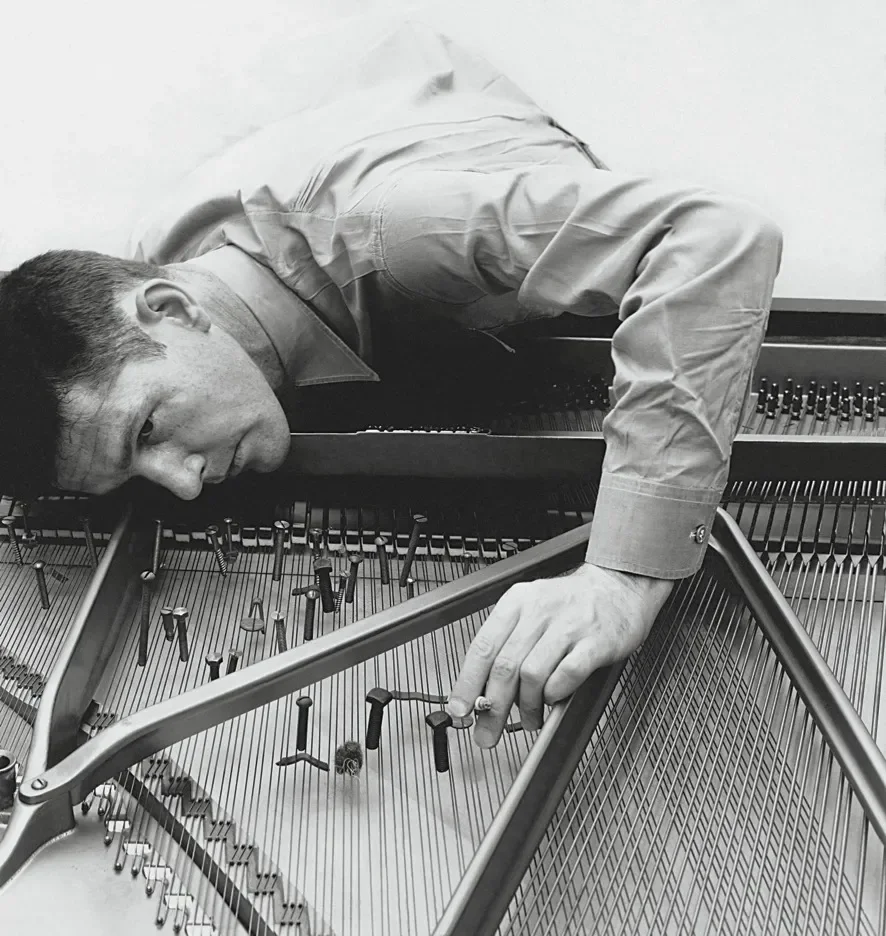
Another effect you’ll hear is the sound of paper rattling between the strings to create a snare drum sound. This “preparation” is reminiscent of the “prepared piano” of John Cage (1912–1992) who created a percussion orchestra within the piano by inserting objects between the strings such as bolts and weather stripping.
Up Next!