
Who are we? The San Francisco Early Music Society is the Bay Area’s portal for early music, promoting engagement with historically informed performance spanning centuries and cultures, and creating a community reflective of our region’s diversity.

Colorscapes: Our 50th Season
Celebrating a half century as the Bay Area’s portal for early music, The San Francisco Early Music Society’s 50th Anniversary Concert Season showcases a diverse array of styles and traditions in a vibrant snapshot of the current early music landscape. With prominent international artists and celebrated local musicians—vocal ensembles, chamber orchestras, soloists, and unique historical instrumentations—SFEMS brings leading interpreters in historically informed performance to stages throughout the Bay Area. You won’t want to miss this season’s alluring harmonic hues and tonal variety of harps, early brass, viols, fortepiano, choruses, and more.
Subscribe today and look forward to a full season of musical magic! It’s not too late to become a Season Subscriber—Mix & Match subscription options include 3, 5, & 6 concert options with standard and pay-it-forward options. Mix & match allows the option of choosing from concert locations and Mainstage & Special events.
Individual tickets: Pay-it-forward reserved seating — Available now.
Pay-What-You-Can — General Admission tickets available 4–6 weeks before each concert. Stay tuned for announcements.
UP NEXT
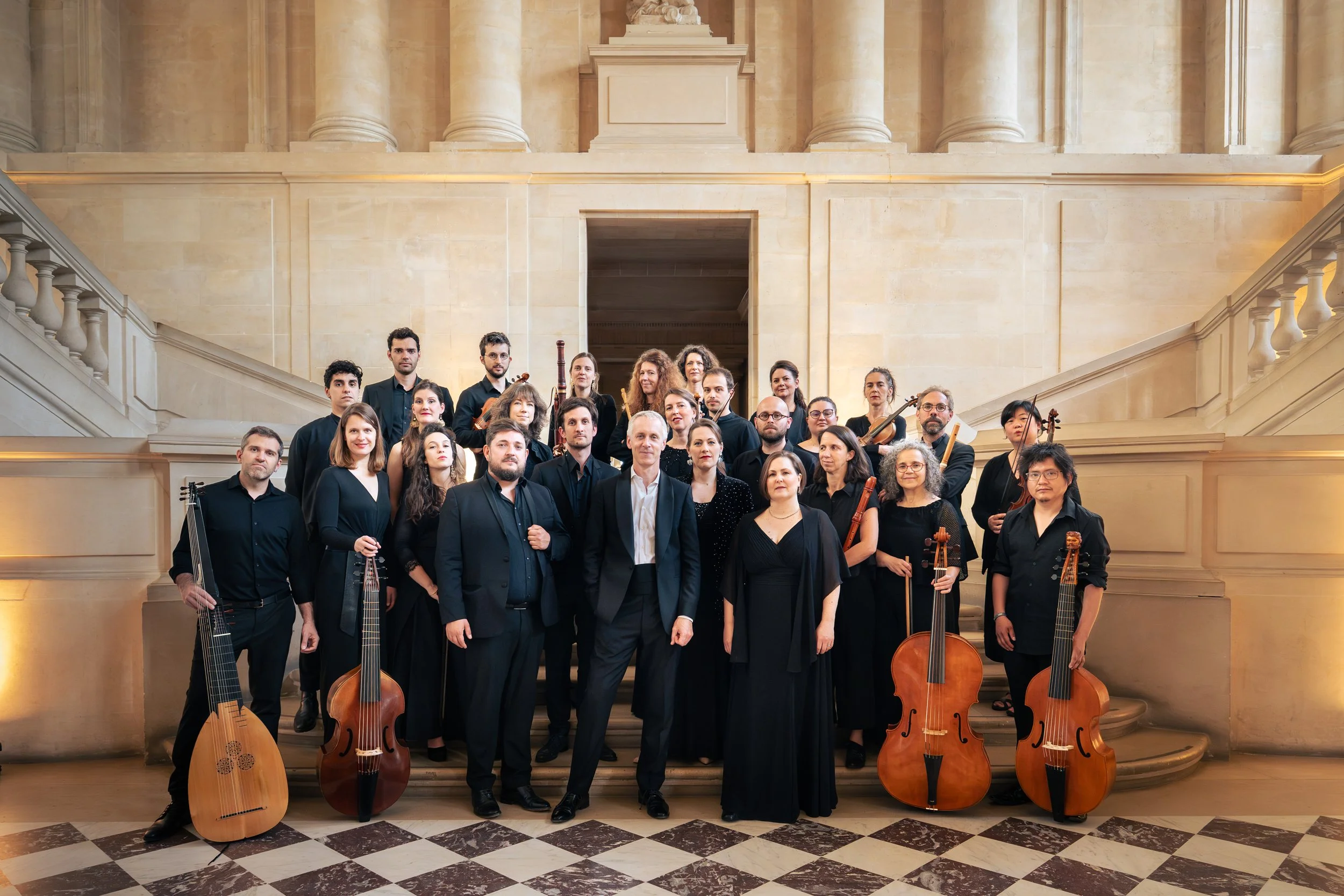
French Baroque: Charpentier Messe de minuit and more
DEC. 6
Under the direction of the harpsichordist and organist Sébastien Daucé, the singers and instrumentalists of Ensemble Correspondances have become a benchmark ensemble for seventeenth-century French repertory. The ensemble will usher in a joyful holiday season in a one-night-only special event in Berkeley with a French Baroque program featuring Marc-Antoine Charpentier’s Messe de minuit pour Noël (Midnight mass for Christmas).
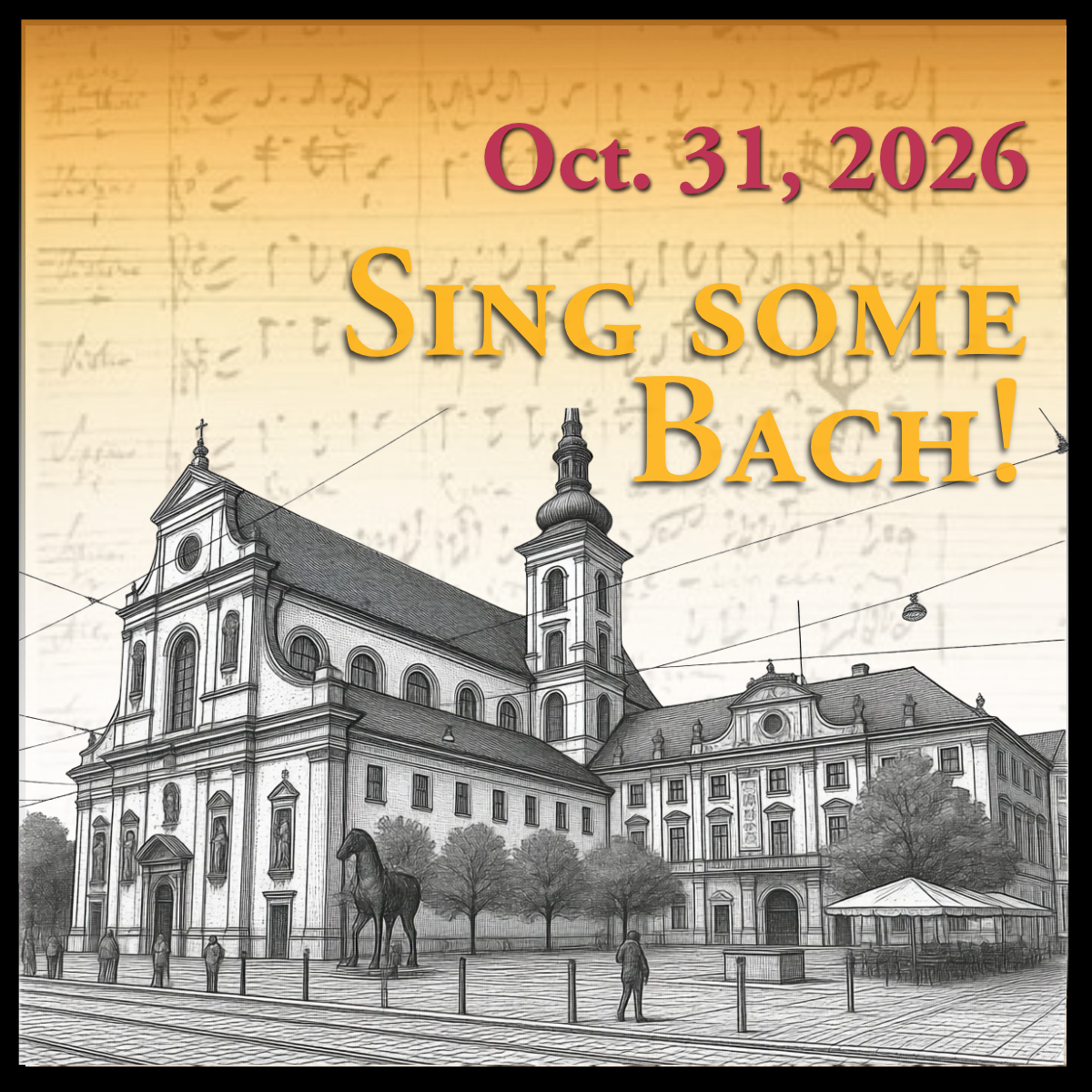
SING SOME BACH—
A CHORAL POP-UP!
Parish Hall, First Presbyterian Church of Palo Alto (1140 Cowper Street)
Saturday, October 31, 2026, 1–3 PM
$35, $5 for printed packet (optional)
Join us on Reformation Day 2026 for an afternoon of singing Bach!
Conductors Derek Tam (SFEMS Executive & Artistic Director) and Nate Widelitz (California Bach Society) will lead you through a no-pressure reading of favorite chorales, as well as selections from BWV 177 (Ich ruf zu dir, Herr Jesu Christ) and the motet BWV 229 (Komm, Jesu, komm).
Print your own scores (a link will be provided before the session), or purchase a printed copy to be given to you at the session.
This is a collaboration with the California Bach Society.
Support SFEMS!
Help us celebrate 50 years with a donation!
Your tax-deductible donation is a vote for the future of early music.
PAY-WHAT-YOU-CAN & PAY IT FORWARD
SFEMS believes that cost should never be a barrier to experiencing live music. Pay-What-You-Can tickets are released four weeks before each concert, allowing everyone to choose a price that works for them.
One of the best ways to support this program is by purchasing a Pay-It-Forward subscription or Pay-It-Forward assigned seat, or by making a gift to our Pay-It-Forward Concert Fund. Your support helps make it possible for everyone to experience SFEMS concerts, regardless of what they can afford to pay.
Pay it forward and help keep early music accessible to all.